Introduction
Last month DBA Silencing’s two General Managers visited Rio Tinto’s head office in London, England. Rio Tinto is a British-Australian multinational company, the world’s second largest metals and mining corporation. DBA’s GMs also checked in at London’s 121 Mining Investment Event. Rio Tinto operates in 35 countries around the world and the 121 Mining Investment organization is linked to over 453 resource-extraction firms. Our representatives were reminded, during their time in London, of the varied nature of mining operations around the world. In this blog post, we’ll talk about the different spots where mining truck fleets are deployed, and discuss as well the reasons that DBA’s heavy-duty parts are able to perform admirably in even the most punishing settings.
Mine Site Diversity
Mining operations take place in some of the world’s most inhospitable locales, where extreme conditions shape equipment selection, modification, and maintenance. Around the globe, mine site personnel are confronted by hurdles such as severe elevation, rugged landscapes, and volatile weather systems, as well as sky-high and sub-zero temperatures. Let’s take a closer look at some of these obstacles.
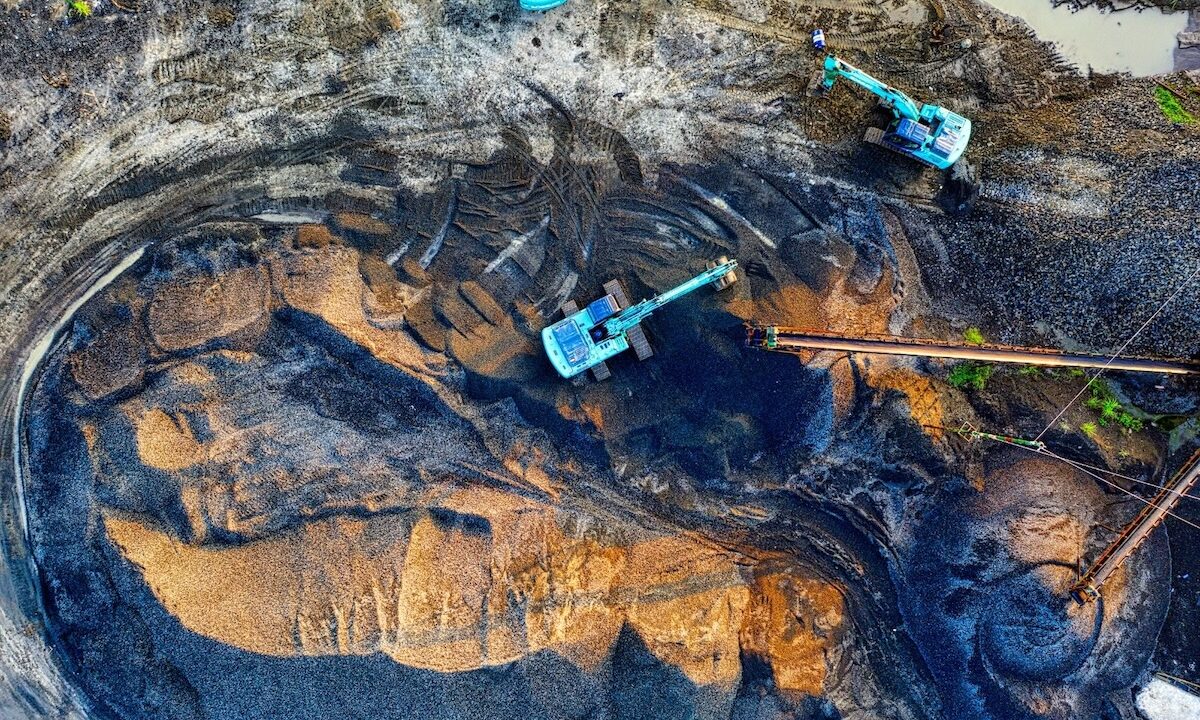
High-elevation sites such as Peru’s Cerro de Pasco mine and the Escondida mine in Chile’s Atacama Desert illustrate the physiological and logistical challenges of altitude. Operating at more than 4,300 metres above sea level, Cerro de Pasco is one of the highest mines on earth. At this elevation, oxygen levels drop significantly; worker endurance declines and acclimatization protocols are required. Equipment also performs differently: engines lose power in thin air, and maintenance schedules must be adjusted to compensate for increased mechanical strain. Escondida, while slightly lower in elevation, confronts similar issues alongside extreme dryness, with humidity levels approaching zero in certain months.
There are also mines subject to intense heat. The Mount Whaleback iron ore mine in Western Australia regularly sees surface temperatures exceeding 45°C. In these conditions, heat stress becomes a critical safety concern. Hydration systems, shift rotations, and real-time environmental monitoring are essential to prevent heat-related ailments. In addition, electronics and heavy machinery must be engineered or modified to withstand extended exposure to radiant heat and fine dust.
Mines in Arctic areas are presented with an entirely different set of stumbling blocks. The Red Dog zinc mine in Alaska operates in polar temperatures that can plunge below –40°C. When temperatures are in this range, diesel thickens, steel becomes brittle, and human dexterity is inhibited. Preventive measures include the use of specialized lubricants, heated equipment bays, and insulated personal protective equipment designed for extreme cold. Further north, operations in the Chukotka region of Russia face permafrost instability, forcing engineers to account for ground movement as climate patterns shift.
Terrain also exerts a profound influence on mine operations. The Grasberg mine in Indonesia, one of the world’s largest copper and gold deposits, is situated in steep mountainous terrain that complicates both access and haulage. Roads require constant reinforcement due to landslide risk, and helicopter transport is often necessary to move staff. Rio Tinto’s Diavik Diamond Mine, meanwhile, is located on an isolated island in Lac de Gras, accessible by land for only part of the year and only by a Northwest Territories ice road. As a result of this logistical constraint, meticulous planning is required to move a year’s worth of supplies during a brief winter window.
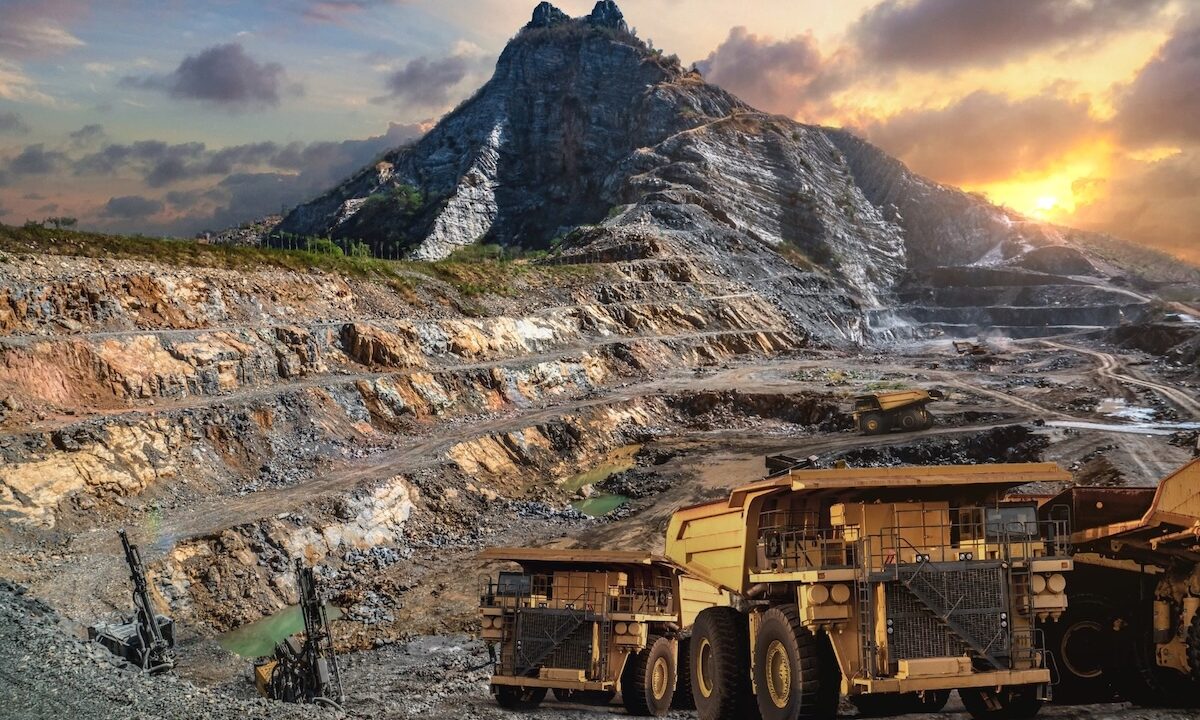
DBA’s Heavy-Duty Parts
Some modern manufacturers of heavy-duty parts for mining trucks have automated their assembly lines. They pump out mufflers that are crimped together using, in many cases, materials of questionable quality. At DBA Silencing, we take a different approach. We start with high-grade aluminized steel tubing. If you’re interested in learning more about the pipe that we employ, you may wish to check out our blog post entitled “Stainless Steel Exhaust vs Aluminized Steel Exhaust“.
We then have our crackerjack fabrication team weld together each heavy-duty part in accordance with exacting specifications that typically involve only a few millimetres of tolerance. Once these components are complete, we conduct a series of careful checks. Additional information on these inspections can be found in our blog post “Quality Control In Heavy Mining Equipment“.
Some of these heavy-duty parts are then sent to our paint department, where various industrial coatings are applied. Other units are transferred to our fibreglass shop, where we add the rigid composite shells that set us apart from all other exhaust system manufacturers. {We also have a blog post on our composite shells. Of course we do! We have several, in fact. One relevant to today’s piece would be “Exhaust Blankets vs. Composite Shells“.}
Our heavy-duty parts are then shipped out to mine sites all over the globe. To Australia. To Russia. To Mexico. And to locations throughout North America. And this is where our industrial approach pays off. On Australian mine sites, particulates are a persistent problem. Even a handful of grit in the wrong place can “dust”, or damage, a mining truck engine. Sometimes full replacement is required, and this is an expensive proposition. Fortunately, DBA’s hand-crafted and thoroughly-tested air intake systems prevent these sorts of issues even in the grubbiest environments.
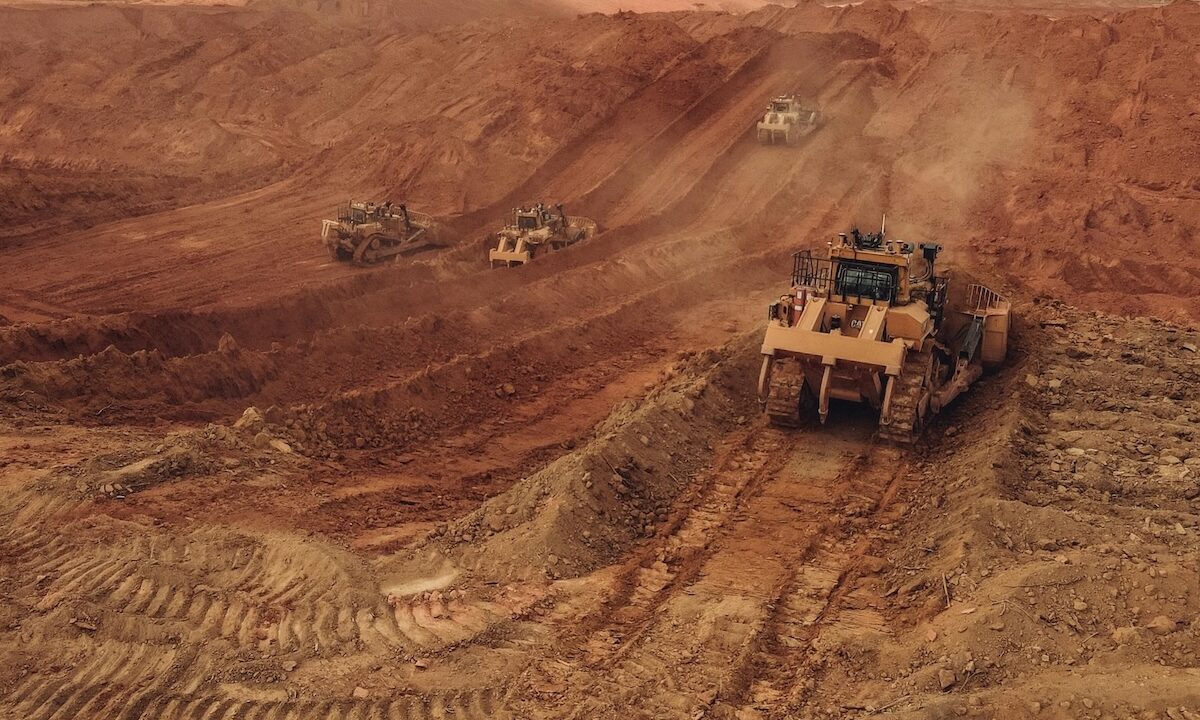
In sun-baked regions, where truck fires are a constant concern, our industry-leading composite shells minimize the surface temperatures of mining truck exhaust systems, thus reducing the risk of conflagrations. And in colder zones, our components – fashioned as they are from the highest quality aluminized steel – stand up well. Similarly, our bellows are ideal for mine sites in rough terrain, as they compensate for not only vibration from sources such as engine shake, but also bouncing associated with uneven landscapes.
Our heavy-duty systems and heavy-duty parts are well-suited to extreme environments for design reasons as well. As we detailed in our blog post “DBA Exhaust System Maintenance“, DBA kits {exhaust, air intake, and coolant} tend to be more segmented than their OEM counterparts. This means that individual sections are typically lighter and easier to install or replace. This is greatly appreciated, as you can imagine, by mechanics perspiring in the sweltering heat of Mount Whaleback or shivering in the freezing rain of Red Dog. The same is true for mechanics struggling with the high altitude on mines such as Cerro de Pasco and Escondida in South America.
Conclusion
Resource extraction can be a tricky business, one that requires not only a great deal of ingenuity, but also durable, well-designed equipment. Here at DBA, we’re proud to produce heavy-duty parts that excel in even the most extreme environments. If your interest has been piqued by anything in this article, by all means reach out to us. Our toll-free number is 1-800-661-5886, and we’ll respond promptly to any messages you care to send to [email protected].