Opening Remarks
Question: why did the mining truck start a band? Answer: because it already knew how to rock and roll! This joke was written by popular large language model ChatGPT, and we think it’s safe to say it shows; artificial intelligence has yet to really master humour. AI is making noteworthy strides in other areas, however, and mining companies are already using it to significantly revamp their operations. In today’s blog post, we’re going to cover a number of related topics.
We’ll start with the ways that artificial intelligence is influencing the mining industry as a whole. After that, we’ll move on to discuss how widespread AI adoption is leading to modifications in mining trucks. And then we’ll finish up by looking at mining truck coolant systems and mining truck coolant parts in particular.
AI’s Effects On The Mining Industry
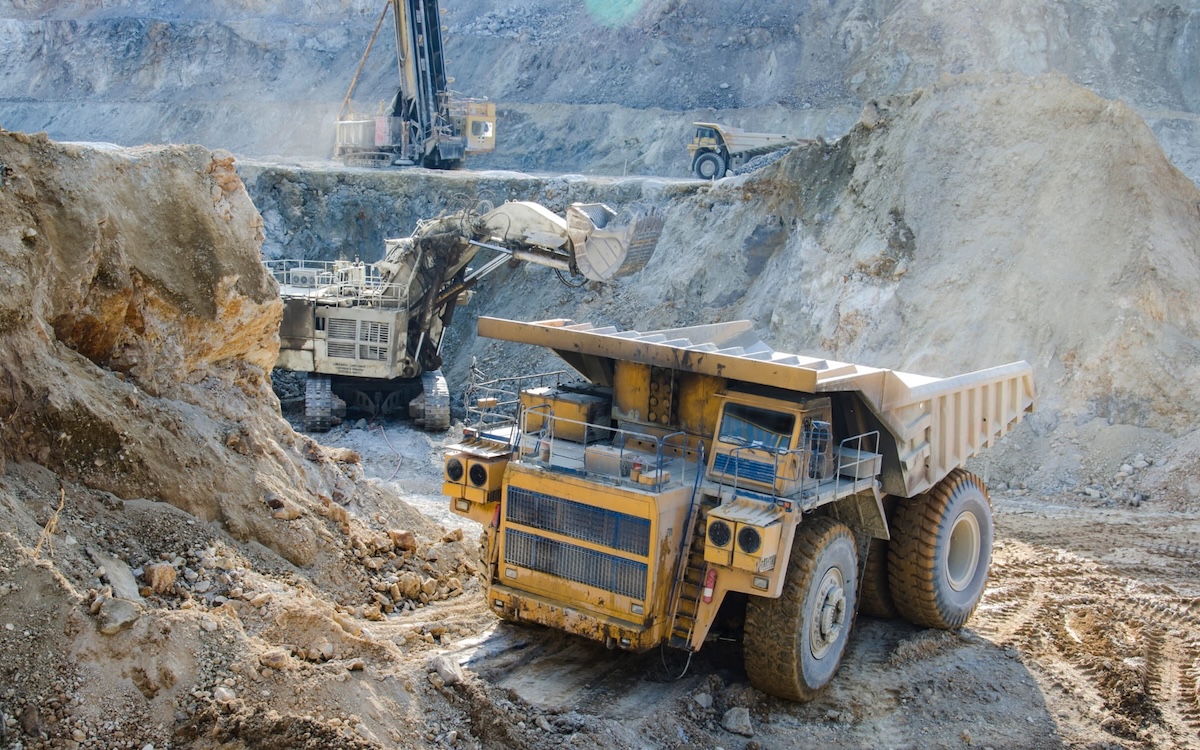
From what we can glean, artificial intelligence is slowly starting to reshape the mining industry by improving efficiency, safety, and decision-making. From early-stage exploration to processing and logistics, AI systems are enabling mining companies to extract more value from data while reducing operational risk and cost.
In exploration, machine learning models are analyzing vast geological datasets {including geophysical surveys, satellite imagery, and historical drilling results} to identify promising mineral targets with far greater speed and accuracy than traditional methods. This reduces the time and investment required to discover economically viable deposits and improves success rates in greenfield exploration.
At operating mines, AI-driven optimization is beginning to transform production. Predictive maintenance systems are using sensor data from devices such as crushers and mills to anticipate equipment failures before they occur, thus minimizing unplanned downtime and extending asset life. In processing plants, AI models are continuously adjusting parameters such as grind size, reagent dosage, and throughput to maximize recovery while simultaneously reducing energy and water consumption.
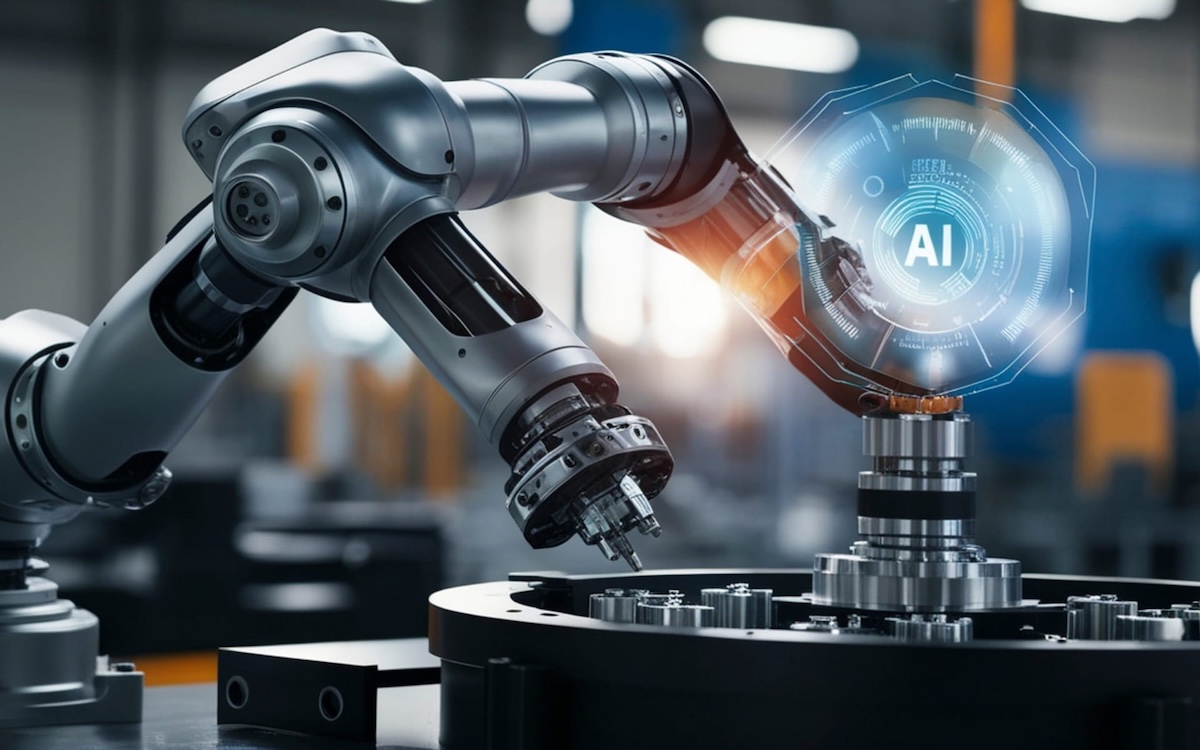
Industry reports indicate that safety is another area where we’re seeing positive change. Computer vision and real-time analytics are now being used to monitor worker behavior, detect hazardous conditions, and manage autonomous {or semi-autonomous} equipment. These systems help reduce risks to mine site staff members, particularly in underground and remote locations.
AI also supports more sustainable mining practices. Advanced modeling improves mine planning, tailings handling, and environmental monitoring, allowing companies to better manage waste, reduce emissions, and comply with increasingly stringent regulatory requirements.
AI’s Impact On Mining Trucks
Mining haul trucks are also being incrementally altered by the rise of artificial intelligence, and we’re starting to see substantial modifications to material movement in both surface and underground operations. These vehicles are central to mine site productivity, and it’s looking more and more likely that AI-driven systems will be able to improve their efficiency, safety, and reliability.
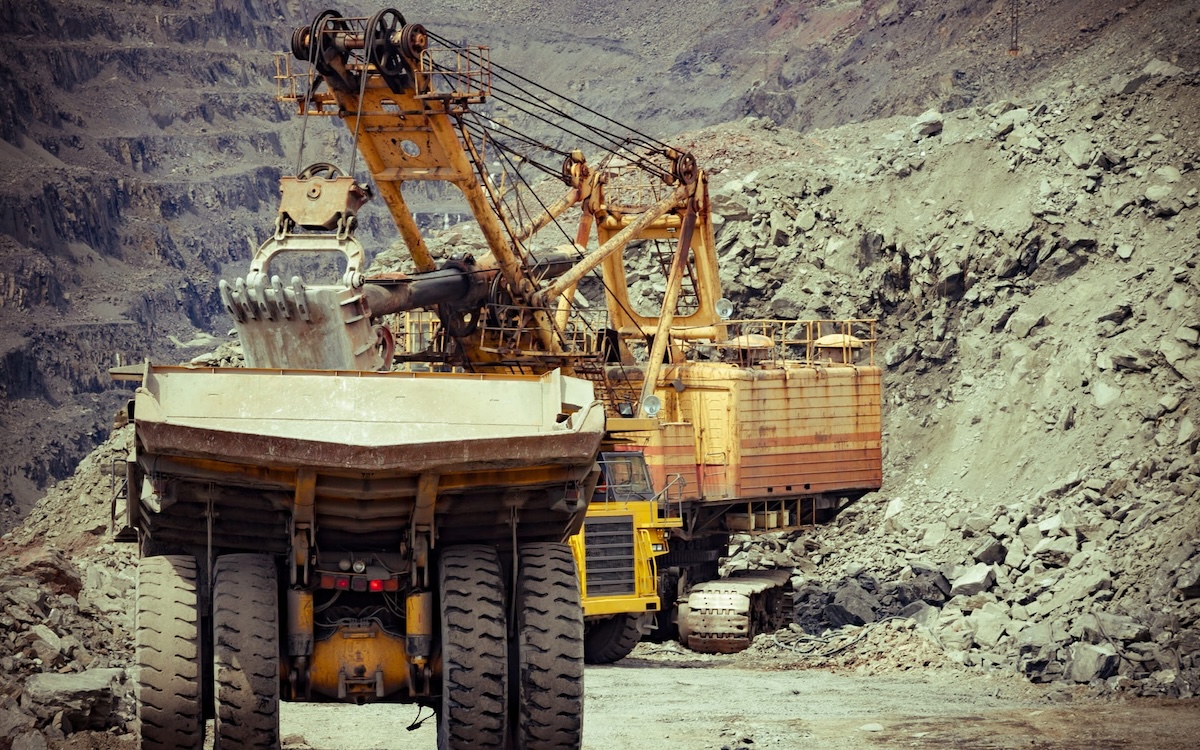
One of the most visible applications is autonomous and semi-autonomous haulage. AI algorithms are now sophisticated enough to process data from lidar, radar, cameras, GPS, and onboard sensors and then successfully navigate complex mine environments, avoid obstacles, and optimize driving behavior. Autonomous trucks can operate continuously, maintain steady speeds, and follow ideal haul routes. This leads, as you’d expect, to higher utilization rates and lower fuel consumption compared to human-operated fleets.
In fleet management, AI-driven dispatch systems are capable of dynamically assigning trucks based on real-time conditions such as shovel availability, haul road congestion, payload weight, and weather. This minimizes queuing, balances workloads, and improves overall material movement efficiency. Computer vision systems further enhance performance by monitoring things such as tire condition, payload distribution, and structural stress.
Safety improvements are of course equally important. AI-enabled collision avoidance, fatigue detection, and proximity awareness systems reduce the risk of accidents involving other not only other vehicles but also infrastructure. By supporting operators with advanced decision assistance systems, or removing them from the cab entirely, AI has the ability to meaningfully lower risks to mine site personnel.
Mining Truck Coolant Parts & Systems
At DBA Silencing, we have yet to incorporate AI to any substantial degree. We do use it to tweak marketing images, research topics for articles such as this one, and create amusing memes that circulate through our various departments. There are many other applications, of course. We anticipate that we’ll soon be able to employ AI to streamline administrative tasks. It’s possible that, one day, artificial intelligence will be able to assist us in refining our designs for exhaust, air intake, and coolant systems.
In our blog post “Efficient Mining Truck Muffler Design“, we show how the placement of internal components such as baffles can attenuate noise through a sound nullification process called destructive interference. If AI can rearrange internal muffler elements like perforations in such a way that a mining truck’s exhaust valves are muted more effectively, then we’ll happily test out these new configurations.
The same can be said for our mining truck air intake systems and individual air intake parts. Our systems have performed commendably in the field for decades, and are held in high regard by not only mechanics and purchasers but also mine site managers and owners. {We explain why this is in our piece “How DBA Mining Truck Parts Can Make Your Life Better“.} Even so, we are open to potential improvements. If modern AI technology is powerful enough to accelerate the development of disease treatments by successfully predicting the 3D structures of proteins, there’s no reason we shouldn’t check to see if it can’t boost the efficacy of DBA air intake components.
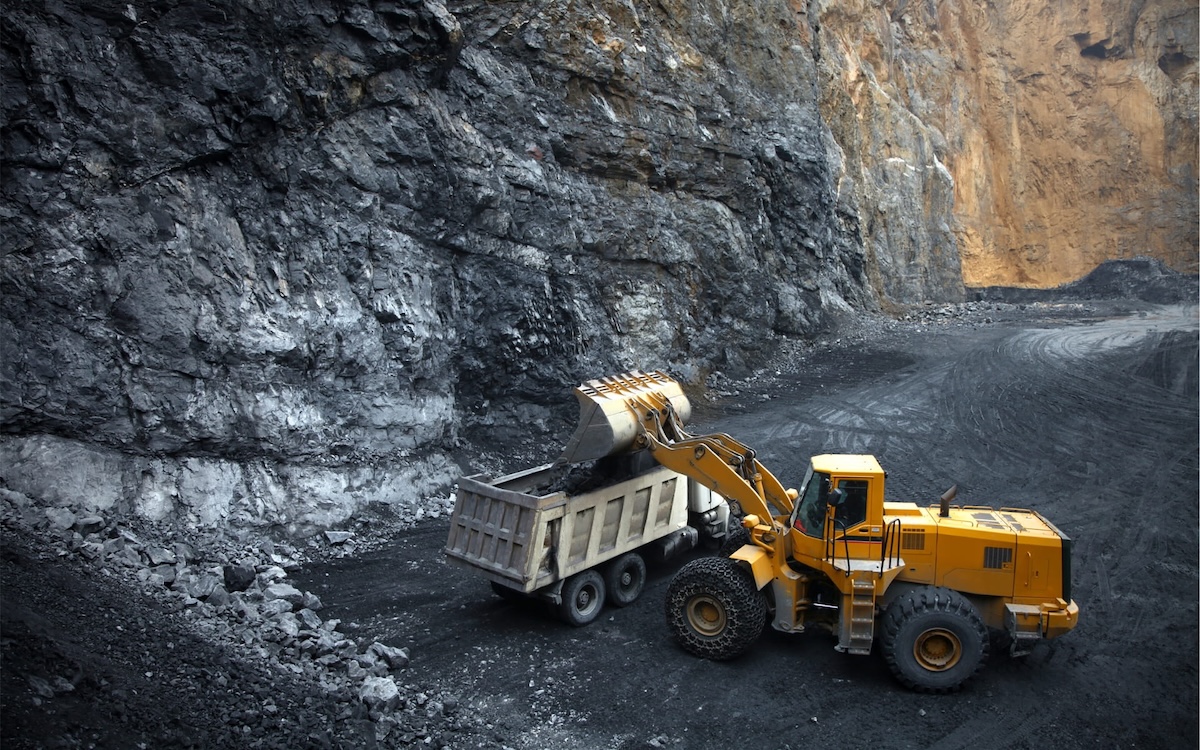
All that said, AI’s introduction is likely to be most consequential when it comes to mining truck coolant parts and coolant systems. This is because it appears that, in the years to come, mobile assets such as mining trucks will increasingly be powered by electricity rather than diesel. And, while some EVs require exhaust and air intake components, they all require cooling systems.
It goes without saying that these coolant systems will look different than the arrays currently offered by DBA Silencing. But we look forward to building cutting-edge cooling components for our customers. These mining truck coolant parts will become increasingly important, of course, as global weather patterns become more extreme. {If you’re interested in this topic, we explore it in greater detail in our blog post entitled “Climate Change & Heavy Equipment Parts“.}
What can be said, speaking generally, about mining truck coolant system developments driven by AI? Well, our understanding is that AI-powered condition monitoring allows coolant systems to be managed proactively rather than reactively. Machine learning models analyze real-time data from temperature sensors, flow meters, pressure transducers, and engine load inputs to detect subtle deviations from normal thermal behavior. This enables early identification of issues such as coolant leaks, pump degradation, radiator fouling, thermostat malfunction, and air entrapment.
It seems that predictive analytics also support efficient maintenance planning. By correlating coolant performance trends with duty cycles, ambient conditions, and historical failure data, AI systems can forecast failure windows for components such as hoses, seals, heat exchangers, and fans. Maintenance can then be scheduled during planned downtime, reducing the risk of overheating-related engine damage and costly unanticipated stoppages.
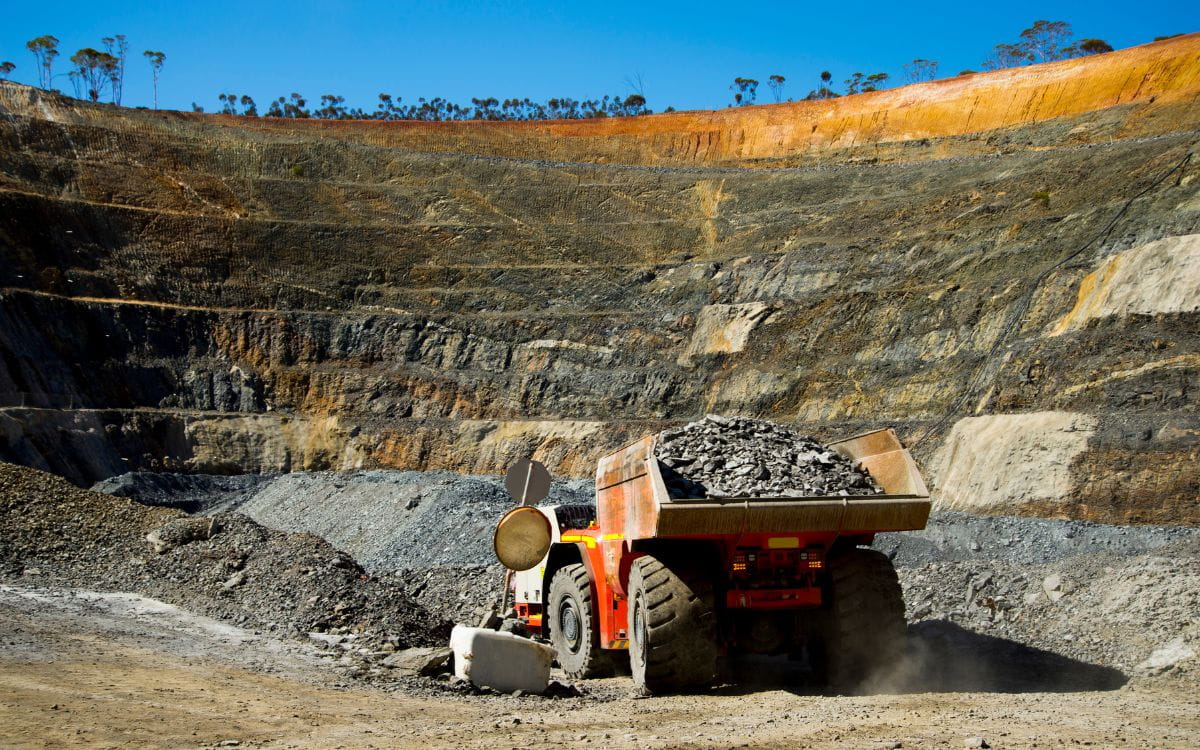
It also appears that, in advanced applications, AI can optimize cooling performance in real time. Control algorithms can adjust fan speeds, pump output, and coolant flow paths based on operating conditions such as payload, grade, and ambient temperature. This ensures adequate cooling while at the same time minimizing unnecessary power expenditures {thereby improving fuel efficiency or extending battery range in electric haul trucks}.
Concluding Statement
Mining trucks don’t believe in cutting corners – they’re in it for the long haul. Yep, this jest also comes to you courtesy of ChatGPT. To be fair, there may not be too many rich seams of laugh-out-loud mining material. We hope, in any case, that you enjoyed this blog post about how the use of AI is not only causing shifts in the mining industry, but also refashioning mining trucks, mining truck coolant parts, and mining truck coolant systems. As always, we’re open to comments on this piece and receptive to questions as well. You can reach us via email at [email protected] and we’re available by phone at 1-800-661-5886.